Key points at a glance
- Kraftfahrzeugtechnik (motor vehicle engineering) is a regulated craft (part of the combined craft under § 94 no. 43 GewO). You need the master's exam, a recognised training route with work experience, an individual Befähigungsnachweis (proof of competence) or a gewerberechtlicher Geschäftsführer (a qualified manager under trade law).
- The workshop itself is almost always business premises requiring a permit (Betriebsanlage, § 74 GewO). Plan the permit before you sign the lease, not afterwards.
- For the Pickerl you need an authorisation under § 57a KFG from the Landeshauptmann (regional governor): qualified staff with a § 57a training pass and the test equipment listed in Annex 2a of the PBStV.
- Waste oil, brake fluid, batteries and oil filters are hazardous waste. You hand them to licensed collectors and keep records under the AWG 2002 (Waste Management Act).
- Basic equipment without the Pickerl costs roughly €60,000 to €140,000, considerably more with inspection equipment (as of November 2026).
This article is general information, not legal or tax advice. Rules change: check the details with your economic chamber or chamber of crafts, your trade guild or your tax adviser.
The trade: Kraftfahrzeugtechnik
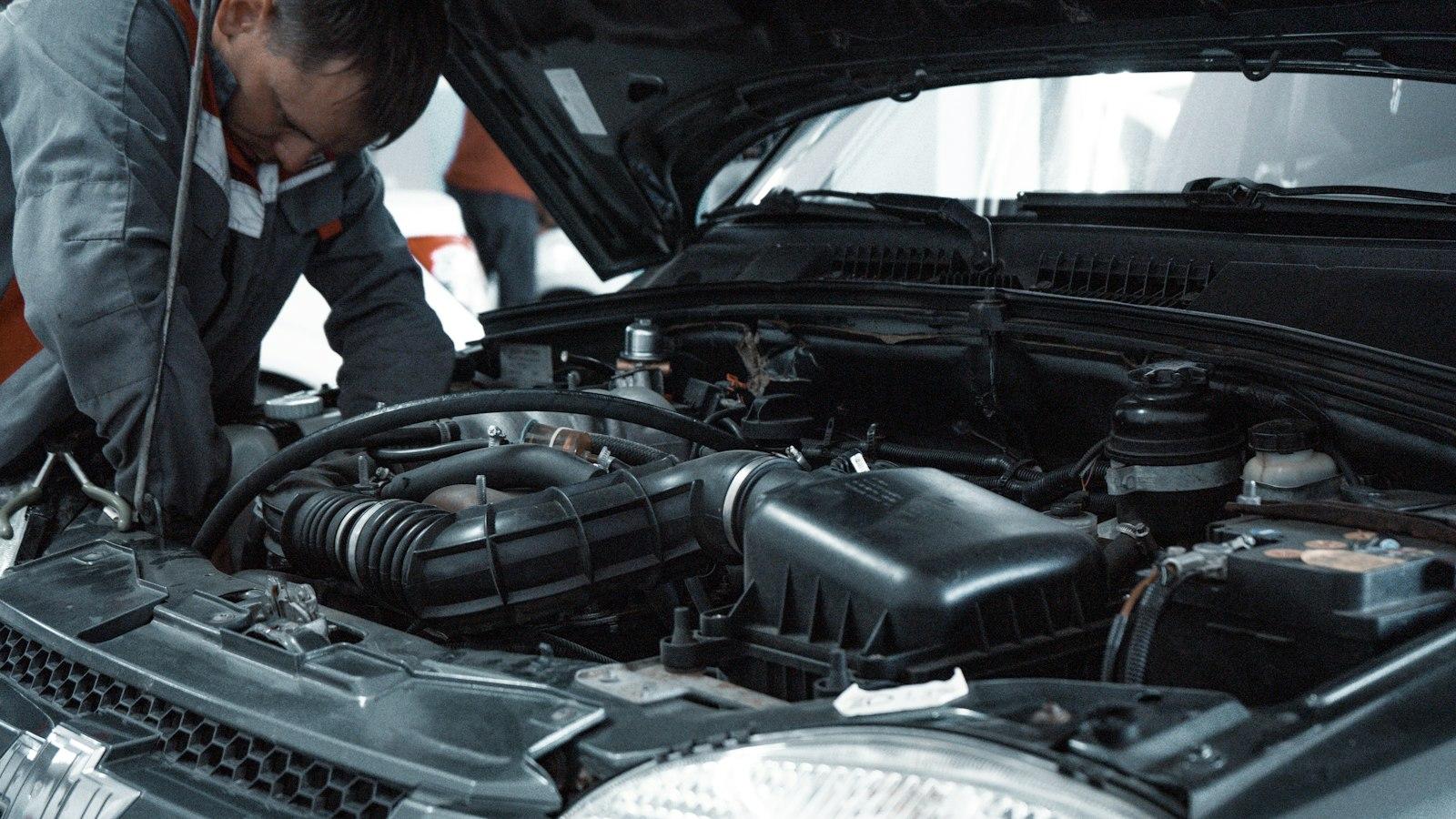
Under § 94 no. 43 GewO (Austria's Trade Regulation Act), bodywork and body painting together with Kraftfahrzeugtechnik form one combined craft. For a standard workshop, you register Kraftfahrzeugtechnik. If you also fill and paint accident damage, you need the licence for bodywork and painting or you work with a partner business.
Unlike electrical engineering or gas and sanitary engineering, there is no prior reliability check under § 95 GewO. You may work from the day you register the trade, provided your proof of competence fits. There are four routes to that:
- Master's exam in Kraftfahrzeugtechnik: the standard route. WIFI (the chamber's training institute) and vocational schools in every federal state run preparation courses.
- Training plus experience as set out in the access regulation, for example an HTL (higher technical college) in vehicle technology with relevant work experience.
- Individual Befähigungsnachweis (§ 19 GewO): the authority assesses your experience. The Landesinnung (the regional trade guild within the WKO) usually gives an opinion, the authority decides. If your experience only covers part of the work, such as tyres and suspension, the licence is limited to those tasks.
- Gewerberechtlicher Geschäftsführer: a qualified person who works in the business, either as a director of the GmbH or employed for at least half of normal working hours.
The building: premises permit
Under § 74 GewO, business premises need a permit if they could bother neighbours with noise, smells or fumes, endanger water or put customers and staff at risk. For a car workshop with a compressor, impact wrenches, exhaust fumes and oil, that is practically always the case. The responsible authority is the Bezirkshauptmannschaft (district authority) or, in cities, the Magistrat.
- Check the zoning: is the building in an industrial or commercial zone? In mixed residential areas the conditions get strict, and some sites are ruled out completely.
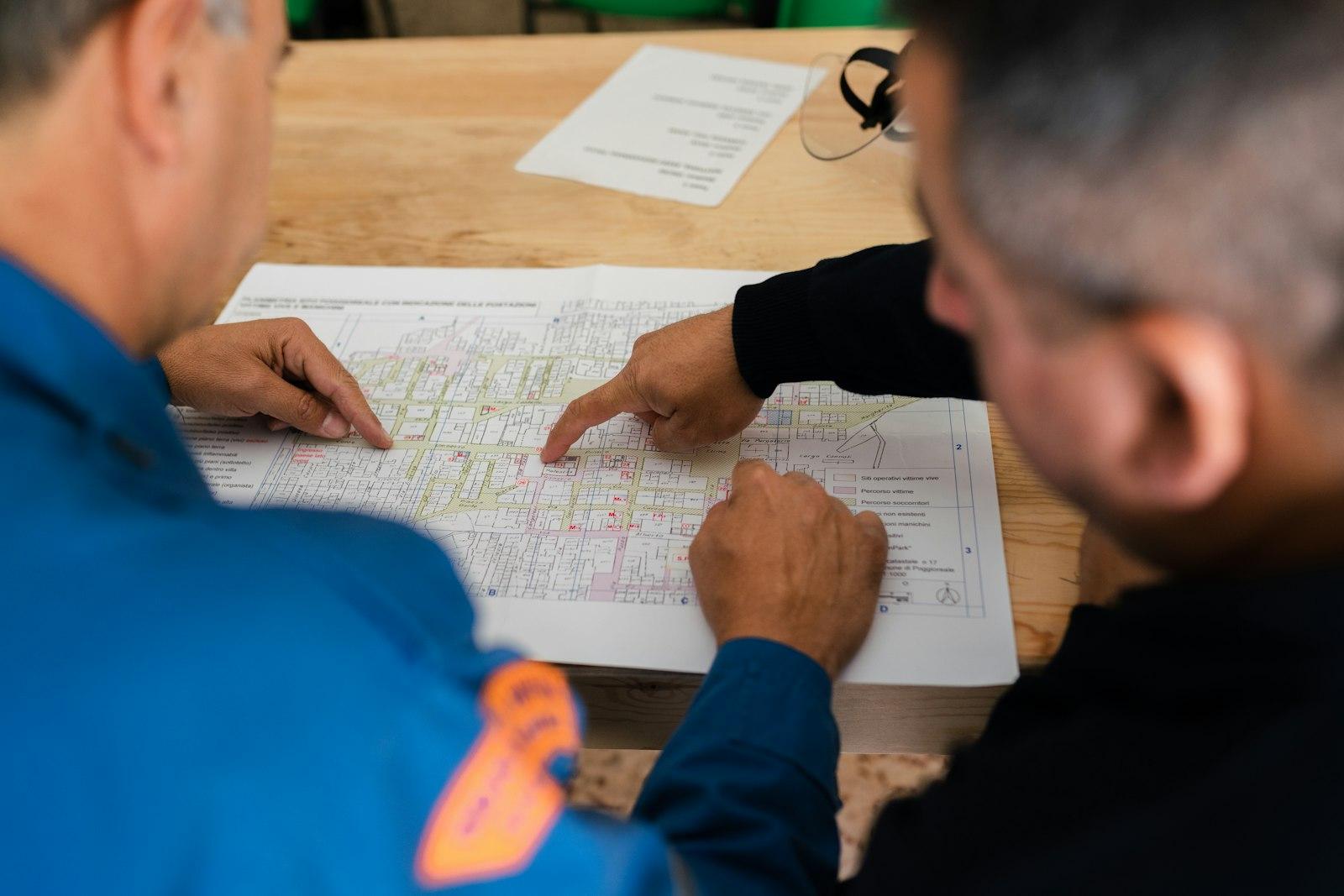
- Application documents: plans, a description of operations with opening hours, a list of machines, ventilation, drainage, fire safety. A planner or engineering firm that knows these procedures saves you weeks.
- Waste water: wash bays and workshop floors usually drain through an oil separator. You need the sewer operator's consent to discharge into the public sewer.
- Spray booth: painting triggers extra requirements for extraction, fire safety and solvents. Include it from the start, since converting later is expensive.

Pickerl: authorisation under § 57a KFG
The periodic inspection brings customers to your workshop on a regular cycle: cars first three years after first registration, then after two more years and every year after that. If you issue the Pickerl yourself, you often get to repair the defects you find as well.
Requirement: trade licence
Among others, traders licensed to repair motor vehicles can be authorised. Your Kraftfahrzeugtechnik licence is therefore the basis.
Qualified staff
Anyone carrying out inspections must have completed the required training. The Bundesinnung der Fahrzeugtechnik (the national vehicle technology guild) keeps a register and issues a § 57a training pass to each qualified person.
Test equipment
Annex 2a of the Prüf- und Begutachtungsstellenverordnung (inspection bodies regulation) sets out which equipment each vehicle class needs, including a brake tester, play detector, headlamp aligner, exhaust gas analysers and an OBD reader. The equipment must be checked and calibrated regularly.
Application to the Landeshauptmann
The authorisation is granted by the Landeshauptmann, in practice the relevant department of the regional government. It is only granted to trustworthy persons and can be withdrawn if staff or equipment no longer meet the requirements.
Day-to-day operation
Write inspection reports, issue stickers, keep equipment logs. The regional government regularly checks that the requirements are still met.
Equipment and costs
| Item | Range | Purpose |
|---|---|---|
| 2 two-post lifts incl. installation | around €8,000 – €18,000 | Basic equipment |
| Multi-brand diagnostic tool with licence | around €3,000 – €8,000 plus ongoing licences | Fault codes, service resets, coding |
| Tyre changer and wheel balancer | around €6,000 – €14,000 | Seasonal tyre changes |
| Air conditioning service unit | around €4,000 – €9,000 | A/C service, refrigerant certificate required |
| Compressor, compressed air network, tool trolleys | around €6,000 – €15,000 | Day-to-day work |
| Waste oil collection, oil separator, hazardous goods store | around €4,000 – €15,000 | Environmental requirements |
| § 57a test equipment (brake tester and further devices) | around €25,000 – €60,000 | Only with Pickerl authorisation |
On top of that come the deposit and rent for the building, a courtesy car or collection and delivery service, and business liability insurance that also covers damage to customers' vehicles. Only consider used lifts with a valid inspection log. With us, a website costs €1,800 one-off, and the business card generator helps with business cards.
Waste oil, batteries, brake fluid: disposing of waste properly
A workshop produces hazardous waste every day. The Abfallwirtschaftsgesetz 2002 (Waste Management Act) requires you to collect it separately, store it safely and only hand it to licensed collectors or treatment firms. You keep records of the type, quantity and destination. If you have no receipts during an inspection, you risk fines and trouble with the premises authority.
- Store waste oil, brake fluid and coolant separately in sealed, labelled containers with a drip tray
- Only hand in starter batteries and high-voltage batteries through specialised take-back schemes
- Collect oil filters, oily rags and absorbents as a separate waste stream
- Have the oil separator serviced and emptied regularly, and keep the service records
Independent garage or brand partner?
As an independent garage, you repair all makes and set your own prices and parts sources. Legally, you have access to manufacturers' repair and maintenance information: Regulation (EU) 2018/858 obliges manufacturers to provide it to independent workshops, and the motor vehicle block exemption regulation (EU) No 461/2010 applies until 31 May 2028. For security-related functions such as immobilisers, you need an additional certification.
As a brand or service partner, you get manufacturer diagnostics, training and customers from warranty work. In return you have to meet standards for equipment, training and branding. A middle way is the workshop concepts run by parts wholesalers: shared branding, training and purchasing terms, but free choice of makes.
Your first customers
An example from the Innviertel: at 34, a car technician takes over the workshop of his former boss, who is retiring. Pickerl authorisation and lifts are in place, and so is the customer base. Even so, he loses a quarter of the regulars in the first year, because the old phone number stopped working and there was no website. What helps:
- Google profile with opening hours and services such as Pickerl, tyres and A/C service. How to set it up is explained in the guide to the Google Business Profile.
- Approach fleet customers such as home care services, plumbers or delivery firms. They need quick appointments and replacement vehicles.
- Send service and Pickerl reminders only with customers' consent. Data protection rules apply to your customer records too.
- Collect reviews: a review QR code on the key tag or the invoice works well.
Workshop website with appointment requests
Free draft in 3 days: services, opening hours, Pickerl information and directions. You review it at your leisure and decide afterwards.
A free draft of your future business website.
How to get it right
- Clarify zoning and whether a permit is achievable before signing the lease
- Keep the Pickerl test equipment in a calibration schedule
- Keep disposal records and separator servicing in order
- Name your trade, authority and chamber in the imprint, see legal notice requirements in Austria
Better not
- Spray paint in a building that is not approved for it
- Advertise the Pickerl before the authorisation is granted
- Pour waste oil down the drain or into general waste
- Accept manufacturer warranty as an argument against independent garages without knowing the legal position
Sources
- § 94 GewO 1994: regulated trades (RIS)
- § 74 GewO 1994: business premises (RIS)
- § 19 GewO 1994: individual proof of competence (RIS)
- § 57a KFG 1967: periodic inspection (RIS)
- Prüf- und Begutachtungsstellenverordnung, Annex 2a (RIS)
- Abfallwirtschaftsgesetz 2002 (RIS)
- WKO: Landesinnungen Fahrzeugtechnik
- Regulation (EU) 2023/822: extension of the motor vehicle block exemption to 2028
- Regulation (EU) 2018/858: type approval and repair information
- GISA: Gewerbeinformationssystem Austria (trade register)