Key points at a glance
- Bodenleger is listed in Annex B section 2 of the Handwerksordnung (no. 3) and is a craft-like trade. You don't need a master, but you must notify the Handwerkskammer (chamber of crafts) of your business.
- Parkettleger (parquet layer, Annex A no. 46) and Estrichleger (screed layer, Annex A no. 44) have required a master again since 14 February 2020.
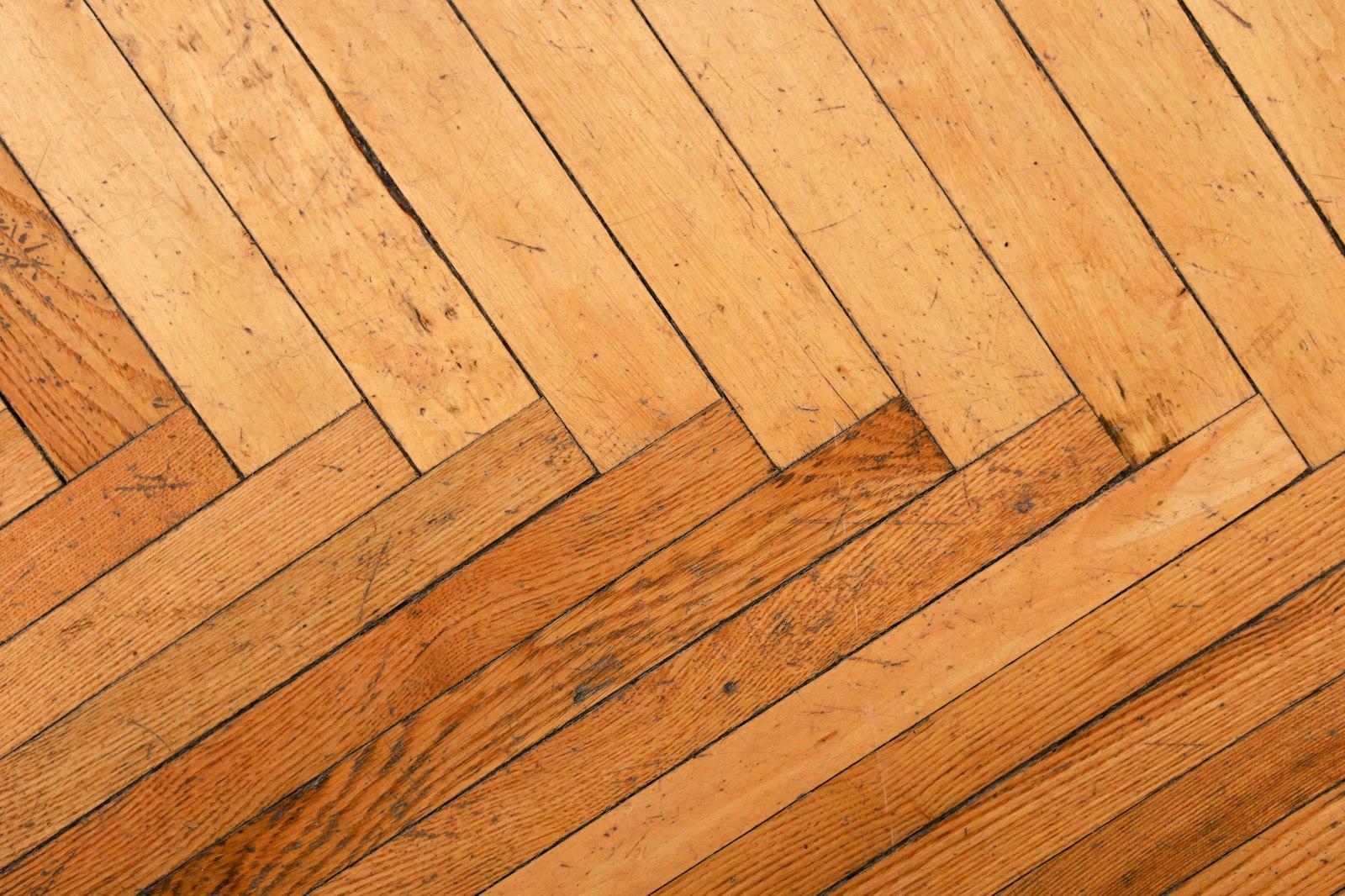
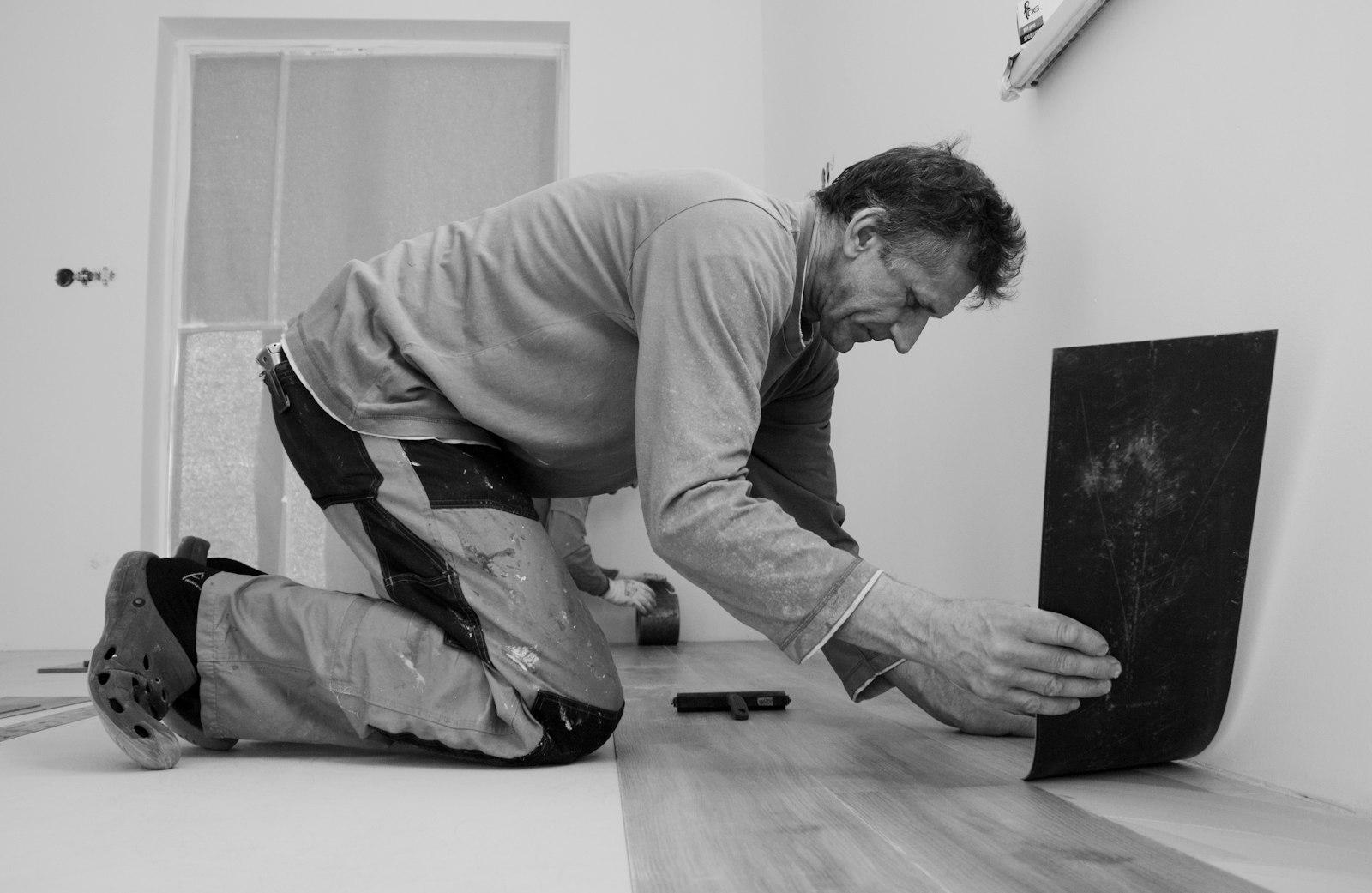
- As a floor layer you typically lay linoleum, vinyl, carpet, cork, laminate and prefinished parquet. Solid parquet, wood block paving and renovating parquet belong to the parquet layer.
- If you carry out work requiring a master without being registered, even as a subcontractor, you risk a fine. The chambers take a critical view of floor layer registrations used as a front.
- The accident insurer is BG BAU. Whether your business falls under the construction social funds (SOKA-BAU) depends on what it mainly does.
This article is general information, not legal or tax advice. Rules change: check the details with your economic chamber or chamber of crafts, your trade guild or your tax adviser.
Three trades, three sets of rules
You often read that floor laying is a licence-free craft under Annex B1. That is not quite right: the Bodenleger is listed in Annex B section 2, among the craft-like trades. In practice this changes little, because you don't need a qualification for these either. What matters is the difference from the two neighbouring trades that returned to Annex A in 2020:
| Floor layer | Parquet layer | Screed layer | |
|---|---|---|---|
| Place in the HwO | Annex B section 2 no. 3 | Annex A no. 46 | Annex A no. 44 |
| Master requirement | no | yes, since 14 Feb 2020 | yes, since 14 Feb 2020 |
| Registration | Notification to the Handwerkskammer, entry in the register of craft-like trades | Entry in the Handwerksrolle (register of crafts) | Entry in the Handwerksrolle |
| Typical work | Resilient and textile coverings, cork, laminate, prefinished parquet | Solid parquet, floorboards, wood block paving, sanding and renovation | Cement, calcium sulphate and mastic asphalt screed, heated screed |
| VOB/C | DIN 18365 floor covering work | DIN 18356 parquet and wood block paving work | DIN 18353 screed work |
What exactly a floor layer may do is described by the chambers of crafts in lists of activities. The Handwerkskammer Flensburg, for example, names laying linoleum, plastic, rubber and laminate, carpets and cork, laying and gluing prefinished parquet, surface treatment including sealing, and testing and preparing the substrate. Other chambers word it similarly, though interpretation may differ in the details.
If you want to offer parquet or screed
For the parquet or screed laying craft, which requires a master, the usual routes into the Handwerksrolle apply: master craftsman exam, equivalent qualifications under § 7 (2) HwO, the Altgesellenregelung (experienced journeyman rule) under § 7b HwO (six years of work, four of them in a senior position) or an exceptional permit under § 8 HwO. Businesses that were already running as a licence-free parquet or screed laying craft on 13 February 2020 were transferred to the Handwerksrolle without a master under § 126 HwO. This grandfathering applies to the owner at that time; if new partners join, the qualification must be proven within six months.
Start as a floor layer
You register the craft-like trade and build up a customer base with vinyl, laminate and carpet.
Experience in a senior position or master school
In parallel, you gain experience as a foreman in a parquet business or attend master school, often part time.
Registration as a parquet layer
With a Meisterbrief or Ausübungsberechtigung (right to practise), you additionally enter the business in the Handwerksrolle and may offer solid parquet and renovation.
Registering as a floor layer: the steps
Registering a craft-like trade
- Trade registration with the municipality with a precise description of activities, such as "laying resilient and textile floor coverings, laminate and prefinished parquet"
- Notification to the Handwerkskammer (§ 18 HwO), entry in the register of craft-like trades (§ 19 HwO)
- Tax registration via ELSTER, decision on the small business rule (§ 19 UStG: previous year up to €25,000, current year up to €100,000)
- Registration with BG BAU within one week (§ 192 SGB VII)
- Freistellungsbescheinigung (exemption certificate) under § 48b EStG if you work for construction companies
- Business liability insurance including damage to worked items, for example damaged door frames or underfloor heating
The chambers of crafts point out explicitly that craft-like trades must not serve as a front for work requiring a master. As a floor layer, you may not carry out parquet or screed work as a subcontractor for another business either. A registration used to circumvent the rules can increase a fine for unauthorised practice of a craft.
BG BAU and SOKA-BAU
The statutory accident insurer for floor layers, parquet layers and screed layers is BG BAU. SOKA-BAU is more complicated: the construction social funds collective agreement covers businesses that mainly provide certain construction services. Screed work is expressly listed among the examples; for floor covering work it depends on how the individual case is classified. Clarify this before you hire skilled workers, because SOKA-BAU can claim contributions retroactively for several years.
What the start costs and how to price
| Item | Approx. cost |
|---|---|
| Trade registration and notification to the chamber | low two-figure to three-figure amount |
| Meters (CM device, moisture meter), laser | €1,000 to €2,500 |
| Substrate grinder, vacuum, paddle mixer | €3,000 to €6,000 |
| Cutting and sawing equipment, small tools | €1,500 to €3,000 |
| Panel van | leasing from about €400 per month |
| Insurance | from about €800 per year |
Billing under VOB/C helps with pricing: DIN 18365 governs how floor covering work is measured, for example for recesses and skirting boards. An example with assumptions: 70 m² of click vinyl on existing screed, material supplied by the customer. Checking, grinding and partly filling the substrate 9 h, laying 14 h, skirting boards 50 running metres 6 h, transitions and clean-up 3 h. At €55 net per hour that comes to €1,760 plus about €300 for filler and small materials, i.e. just under €30 per m². If you don't inspect the filling work beforehand, you can quickly end up with twice as many hours here.

How to get it right
- Describe your activities precisely when registering the trade
- Talk to the Handwerkskammer before taking on renovation jobs
- Measure residual moisture and raise concerns in writing
- Offer substrate work as separate items
Better not
- Laying or sanding solid parquet without being in the Handwerksrolle
- Putting in screed "on the side"
- Advertising as a floor layer with "Parkettlegermeister" or "Meisterbetrieb"
- Promising flat prices per m² without a site visit
Free draft for your flooring business
Within 3 days we build you a draft of your website with floor coverings, references and an enquiry form. Free of charge; you decide afterwards.
A free draft of your future business website.
The start-up steps that apply to every craft are summarised in Starting a business in Germany. For your website and legal notice, read Mandatory details in Germany. With the cost calculator you can see what a website costs compared with a website builder and an agency.
Sources
- Handwerksordnung, Annex A
- Handwerksordnung, Annex B
- Handwerksordnung, § 18 (duty to notify)
- Handwerksordnung, § 19 (register)
- Handwerksordnung, § 126 (grandfathering 2020)
- Handwerksordnung, § 7b
- Handwerkskammer Flensburg – list of activities for floor layers
- BG BAU
- SOKA-BAU
- SGB VII, § 192
- UStG, § 19
- EStG, § 48b